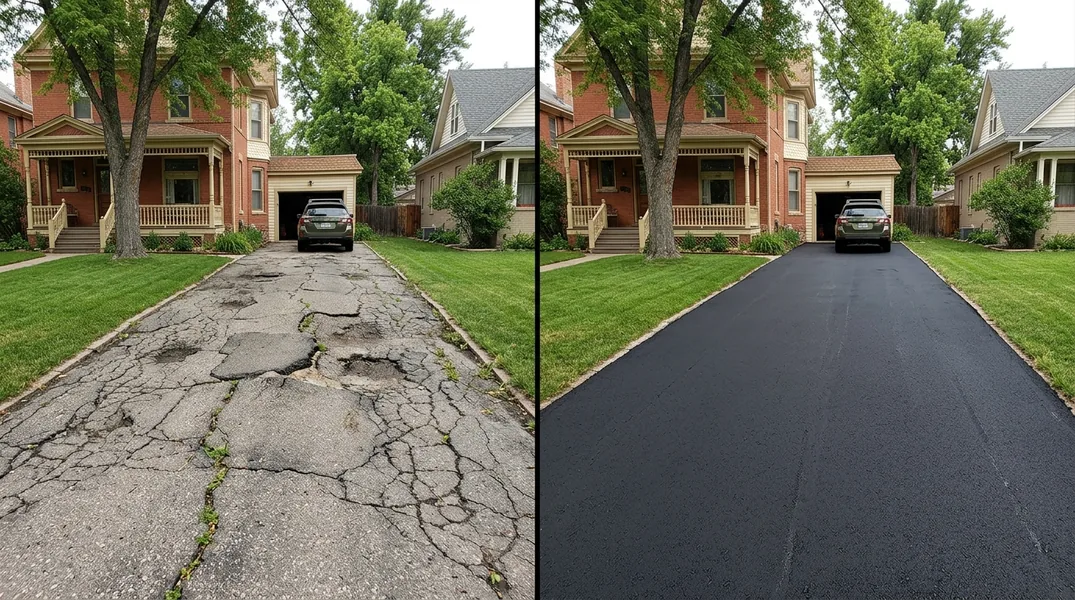
Signs Your Driveway Needs Repair vs. Replacement
One of the most common questions homeowners in Colorado Springs ask is whether their aging driveway can be salvaged or if it's time for a complete overhaul. The answer depends on several factors, including the extent of damage, the age of your asphalt, and your long-term plans for the property.
Minor surface issues like small cracks, fading, or light wear typically warrant Driveway Repair rather than full replacement. If your driveway is less than 15 years old and the damage is confined to the top layer, repair solutions are usually cost-effective and can extend your driveway's life by several more years. However, if you notice alligator cracking (a pattern of interconnected cracks resembling alligator skin), significant potholes, or structural failure, replacement may be the more economical choice in the long run.
The Colorado Springs climate can be particularly tough on asphalt. Freeze-thaw cycles in winter and intense UV exposure in summer accelerate deterioration. If your driveway is showing widespread damage across more than 30 percent of its surface, or if repairs have become a yearly expense, it's time to consider Asphalt Driveway Paving & Installation.
How Long for Asphalt to Cure: What You Need to Know
Understanding curing time is essential for protecting your investment after a new driveway is installed. Many homeowners are surprised to learn that asphalt doesn't harden all at once. The process happens in stages, and knowing these stages helps you care for your driveway properly from day one.
Asphalt typically becomes firm enough to walk on within 24 to 48 hours after installation, depending on temperature and humidity conditions. However, this initial firmness doesn't mean your driveway is fully cured. The asphalt continues to harden and bond properly over the next several weeks. Full curing generally takes 6 to 12 months, though the timeline varies based on weather conditions and the specific asphalt mix used by your contractor.
During the curing period, the asphalt undergoes oxidation, which strengthens the binder and improves durability. This is why new asphalt driveway care during the first few months is so critical. Proper maintenance during curing ensures your driveway reaches its maximum strength and lifespan.
How Long Before You Can Drive on New Asphalt: A Timeline
After your new asphalt driveway is installed, the big question is: when can I actually use it? The answer is more nuanced than a simple yes or no. While light foot traffic can typically resume within 24 hours, driving on your new asphalt requires more patience.
Most contractors recommend waiting 48 to 72 hours before driving a regular passenger vehicle on newly poured asphalt. This gives the surface enough time to set properly and reduces the risk of tire marks or surface damage. However, heavy vehicles, such as delivery trucks or moving vans, should not be driven on the driveway for at least 7 to 14 days. The weight of heavy vehicles can cause permanent indentations or displacement if the asphalt hasn't fully hardened.
Temperature plays a significant role in how quickly asphalt can support vehicle weight. During cooler months in Colorado Springs, the curing process takes longer, so you may need to wait a full week before driving on the driveway. Conversely, hot summer days can accelerate the hardening process, potentially allowing vehicle traffic within 48 to 72 hours. Always follow the specific recommendations provided by your paving contractor, as they understand the exact conditions under which your driveway was installed.
New Asphalt Driveway Care: Essential Maintenance Steps
Proper maintenance during the first year is the foundation of a long-lasting driveway. Many homeowners invest in quality Asphalt Driveway Paving & Installation, only to see it deteriorate prematurely due to inadequate care. Understanding the basics of new asphalt driveway care can prevent costly repairs down the road.
During the first 6 to 12 months, avoid parking in the same spot repeatedly, as this concentrates weight and can cause permanent depressions. Keep your driveway clean by sweeping away dirt and debris regularly. Avoid using harsh chemicals or salt-based de-icers during winter, as these can damage the asphalt surface. If you must use de-icing products, choose calcium chloride or magnesium chloride over rock salt, which is more corrosive to asphalt.
One of the most important steps in new asphalt driveway care is planning for sealing. While your new driveway shouldn't be sealed immediately, most contractors recommend waiting 6 to 12 months before applying the first seal coat. This allows the asphalt to fully cure and allows any residual oils to evaporate. Once sealed, your driveway will have better protection against moisture, UV rays, and chemical damage, significantly extending its lifespan.
How Often to Seal Driveway: A Maintenance Schedule
Sealing your asphalt driveway is one of the most cost-effective preventive measures you can take. Many homeowners underestimate the importance of regular sealing, which is why driveways in Colorado Springs often deteriorate faster than necessary. Understanding how often to seal your driveway ensures it stays protected and extends its overall lifespan by years.
As a general rule, you should seal your driveway every 2 to 3 years. However, this timeline can vary based on traffic volume, climate conditions, and the quality of the previous seal coat. High-traffic driveways or those exposed to harsh weather may need sealing every 18 to 24 months. You can tell it's time to reseal when water no longer beads on the surface but instead absorbs into the asphalt, or when the color begins to fade significantly.
The Colorado Springs climate, with its intense sun and freeze-thaw cycles, can accelerate the breakdown of seal coats. Regular inspection of your driveway each spring can help you determine the right time to reseal. If you're unsure whether your driveway needs sealing, contact Colorado Springs Asphalt Paving at (719) 355-8474 for a professional assessment. Investing in regular sealing now prevents more expensive repairs like Pothole Repair & Asphalt Patching or Asphalt Resurfacing & Overlay later.
Repair, Resurfacing, or Full Replacement: Choosing the Right Solution
When your driveway shows signs of wear, you have three main options: repair, resurfacing, or full replacement. Each option has its place in driveway maintenance, and the right choice depends on the severity of damage and your budget. Understanding the differences helps you make an informed decision that maximizes value.
Driveway Repair is ideal for isolated issues like small cracks, minor potholes, or localized soft spots. Repair is quick, affordable, and can extend your driveway's life by several years when done promptly. Asphalt Resurfacing & Overlay is the middle ground, best suited for driveways with moderate, widespread damage but a structurally sound base. Resurfacing involves applying a new layer of asphalt over the existing surface, which is less expensive than full replacement but more comprehensive than simple repairs.
Full Asphalt Driveway Paving & Installation is necessary when the subbase is compromised, the driveway has failed structurally, or repairs and resurfacing are no longer cost-effective. While replacement represents a larger upfront investment, it provides a fresh start and a driveway that will last 15 to 20 years with proper maintenance. To determine which solution is right for your situation, reach out to Colorado Springs Asphalt Paving for a free estimate. Our team will assess your driveway and recommend the most cost-effective solution for your specific needs.
Looking for a professional asphalt paving contractor in Colorado Springs? Colorado Springs Asphalt Paving responds fast for all your asphalt paving needs.
Get a Free Quote